Why Tanzania
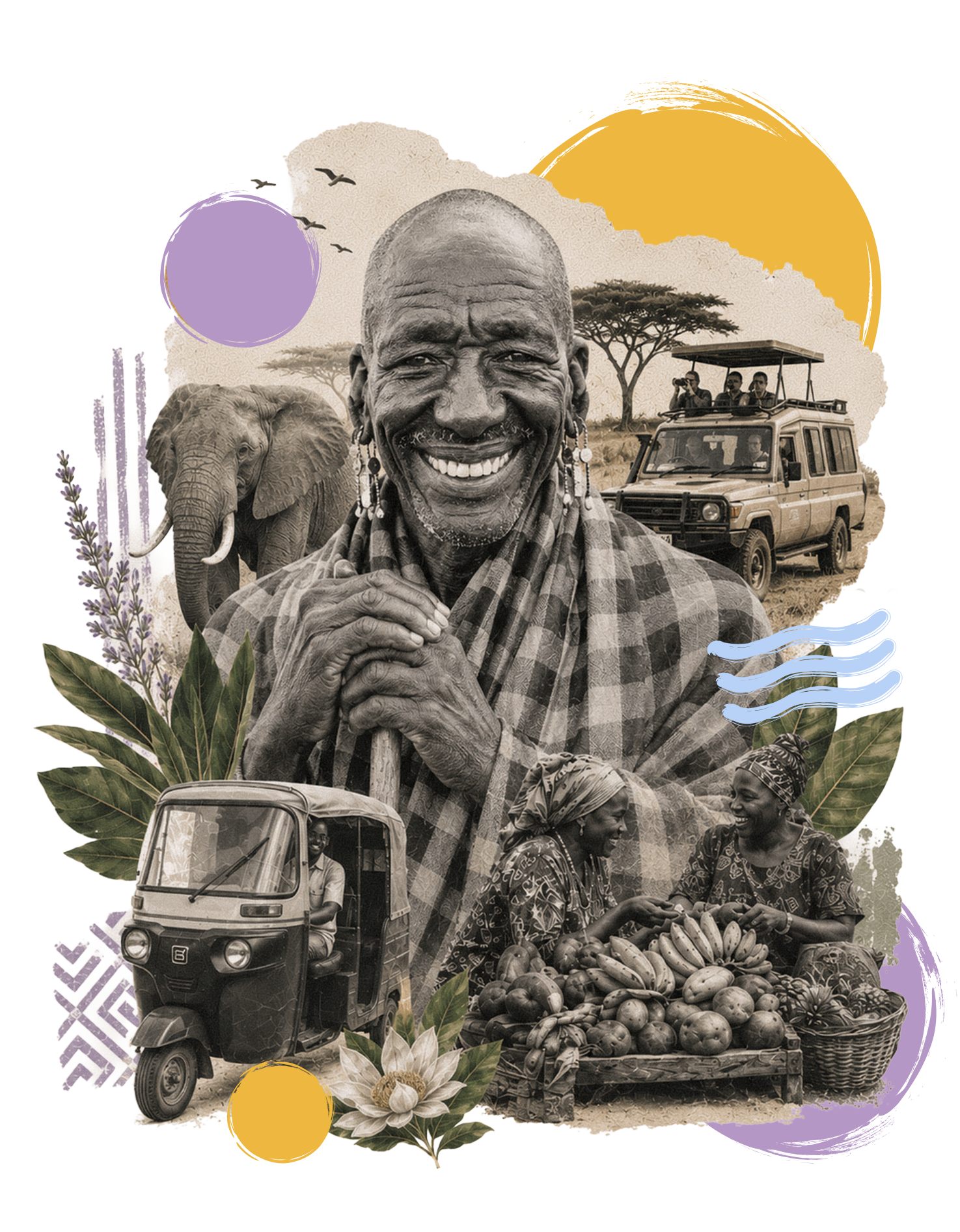
Tanzania is more than a destination; it's a place where connection, community, and culture have the power to change your perspective.
Home to more than 120 ethnic groups, Tanzania is one of Africa's most culturally diverse countries. From bustling cities and rural villages to tropical coastlines and mountain communities, you'll discover a way of life shaped by hospitality, togetherness, and genuine human connection.
Life moves at a different pace here. The Swahili phrase pole pole ("slowly, slowly") reflects a culture that values relationships, presence, and shared experiences over rushing from one thing to the next. For many volunteers, embracing this slower rhythm becomes one of the most rewarding parts of their journey.
Karibu › Welcome
꩜
Asante › Thank You
꩜
Rafiki › Friend
꩜
Karibu › Welcome ꩜ Asante › Thank You ꩜ Rafiki › Friend ꩜
Why we choose Tanzania
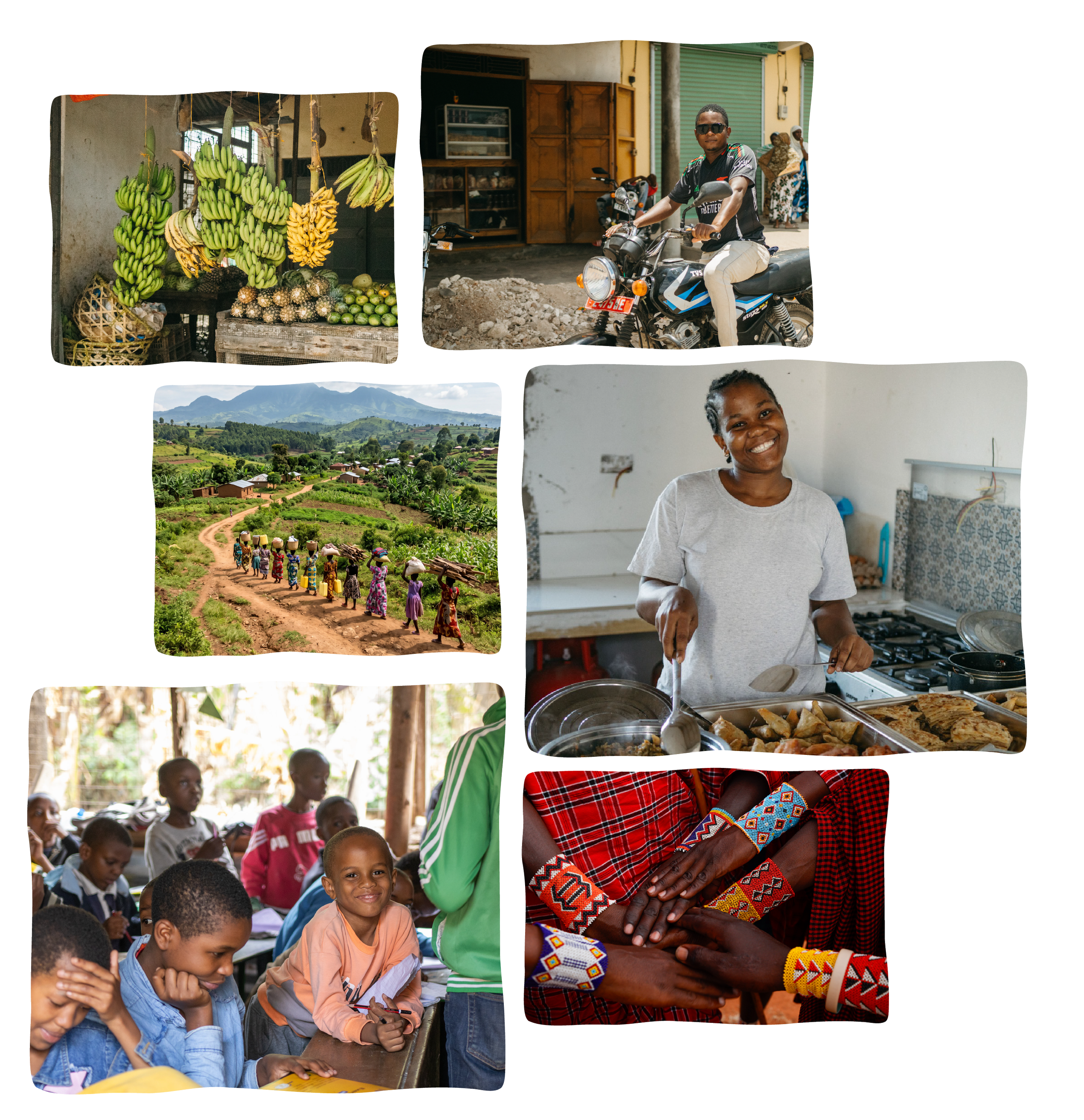
We don't just work in Tanzania, we've built our lives, friendships, and organisation here.
Across Mainland Tanzania and Zanzibar, we work alongside trusted schools, hospitals, conservation initiatives, women's groups, and grassroots organisations that are creating positive change within their communities every day.
These organisations understand their communities better than anyone. Our role is to support their work by connecting them with volunteers who are eager to contribute their skills, learn from local knowledge, and build genuine relationships through cultural exchange.
Volunteering here isn't about "saving" a community. It's about showing up with humility, listening first, and learning together.
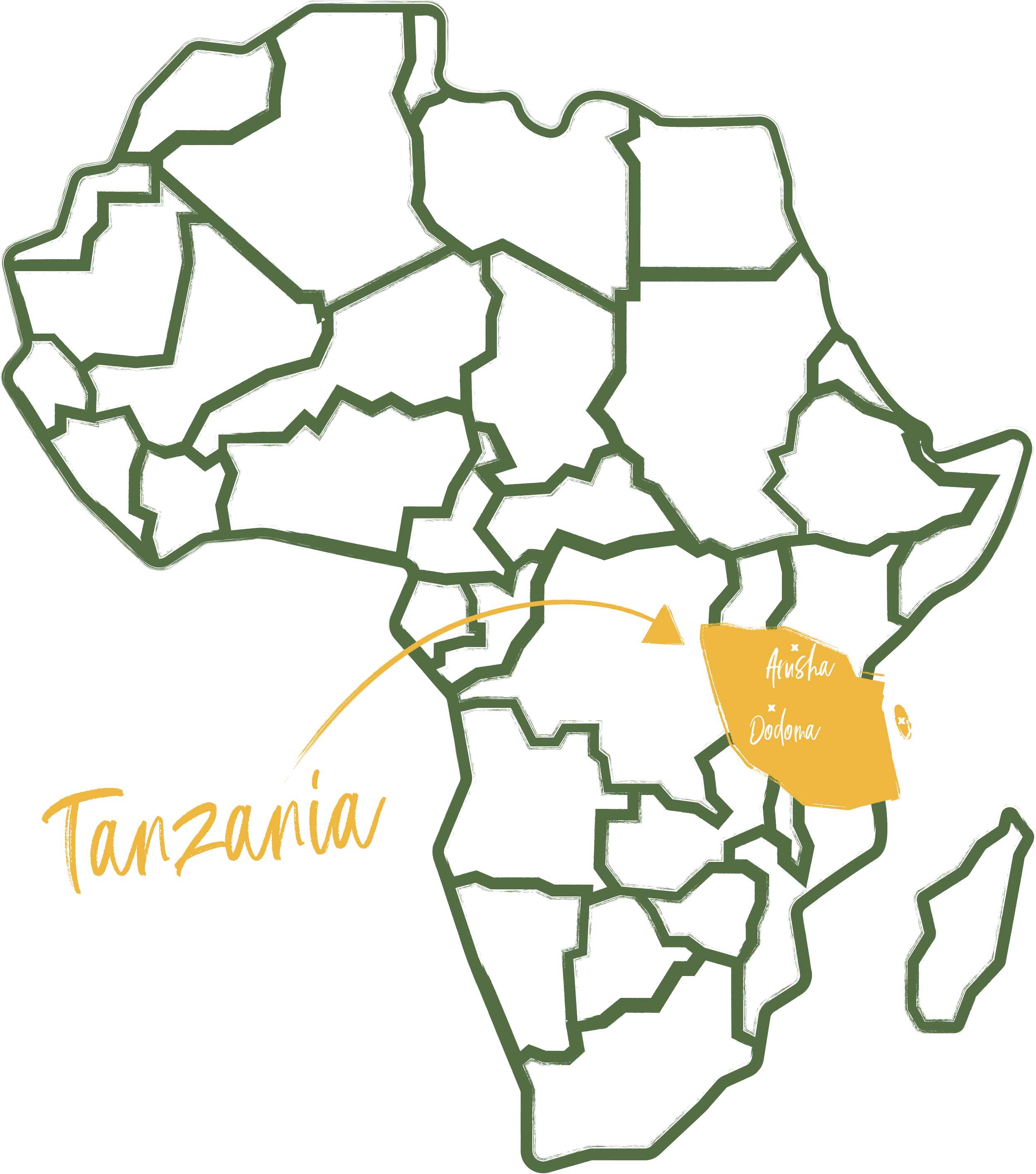
At a glance:
Capital: Dodoma
Population: 70+ million people
Languages: Kiswahili & English
Currency: Tanzanian Shilling (TZS)
Time Zone: GMT +3
Climate: Tropical coast with cooler highland regions
Visa: Most visitors require a tourist or volunteer visa before travelling.
Where volunteers can make a difference
Tanzania is a country of extraordinary opportunity and potential. Like many nations, however, it faces social, economic, and environmental challenges that can affect access to education, healthcare, employment, and essential services.
Our community partners are already creating meaningful change. Volunteers don't lead this work, they strengthen it by sharing their time, skills, and perspectives alongside local teams.

Education
With one of the world's youngest populations, demand for quality education continues to grow across Tanzania. Many schools are teaching large classes with limited teachers, learning resources, and classroom space, while working to improve literacy, English language skills, and access to quality education for every child.

Healthcare
As Tanzania's population continues to grow, so does demand for accessible healthcare. Many hospitals and health centres care for high numbers of patients with limited capacity, while some specialist services remain under-resourced or unavailable, particularly outside major cities.

Community Development
Across Tanzania, community-led initiatives are creating opportunities for women, people with disabilities, and other marginalised groups to participate fully in society. These organisations work to strengthen livelihoods, promote inclusion, challenge inequality, and build stronger, more resilient communities.

Youth Development
Young people make up almost one-third of Tanzania's population, yet many face barriers to secondary education, employment, vocational training, and mentorship. Local youth initiatives help create safe spaces where young people can build confidence, develop practical skills, and prepare for future opportunities.

Conservation & Environment
Tanzania is home to some of the world's most remarkable wildlife and biodiversity. Protecting these natural environments requires long-term conservation, environmental education, and strong community stewardship to help safeguard them for future generations.
A two-way exchange
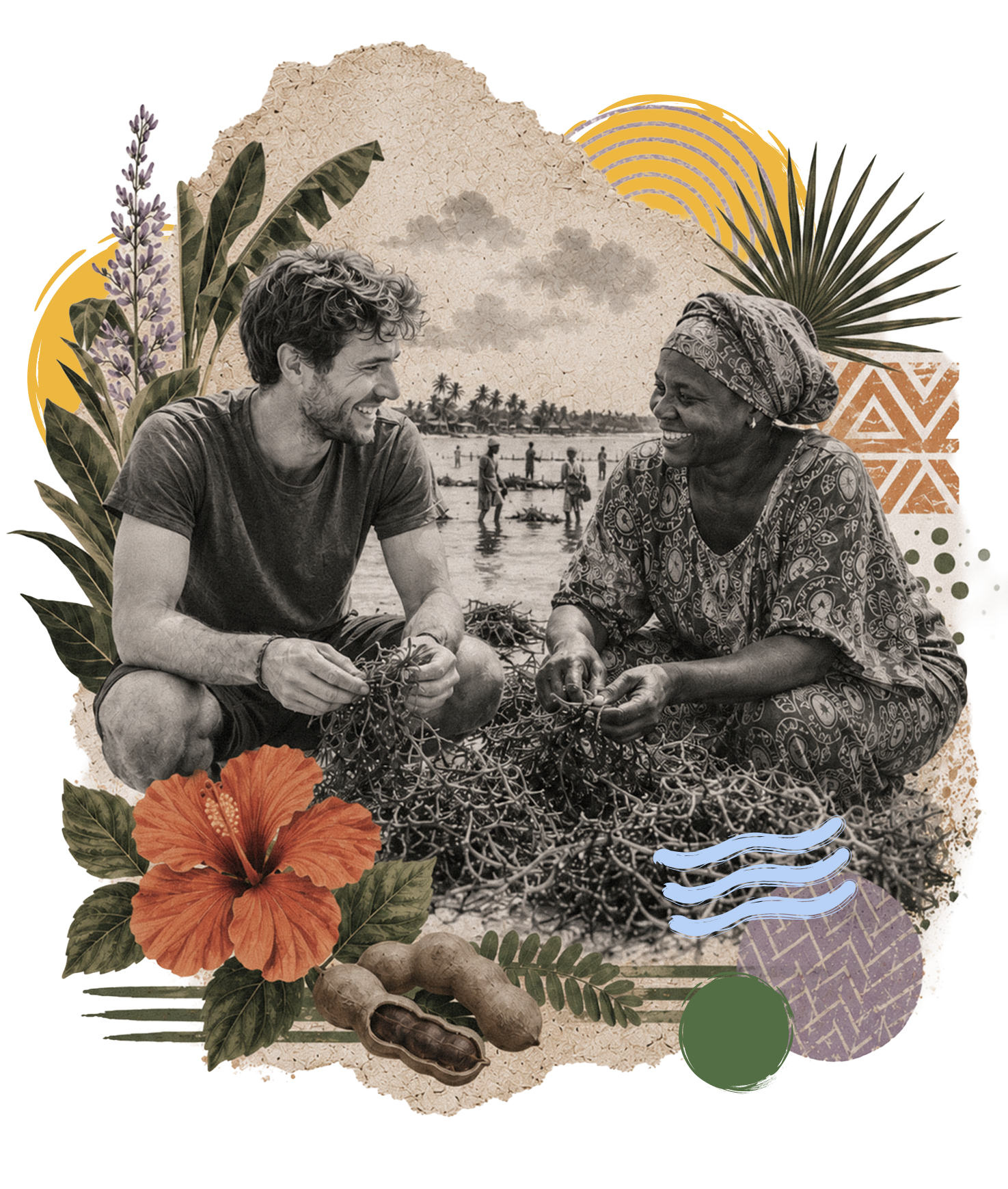
We believe the best volunteer experiences are built on mutual learning.
Volunteers contribute their time and skills while learning from the people, culture, and communities they work alongside.
By supporting locally led initiatives and encouraging genuine cultural exchange, we create experiences that are ethical, sustainable, and valuable for everyone involved.
Why you'll love Tanzania
-
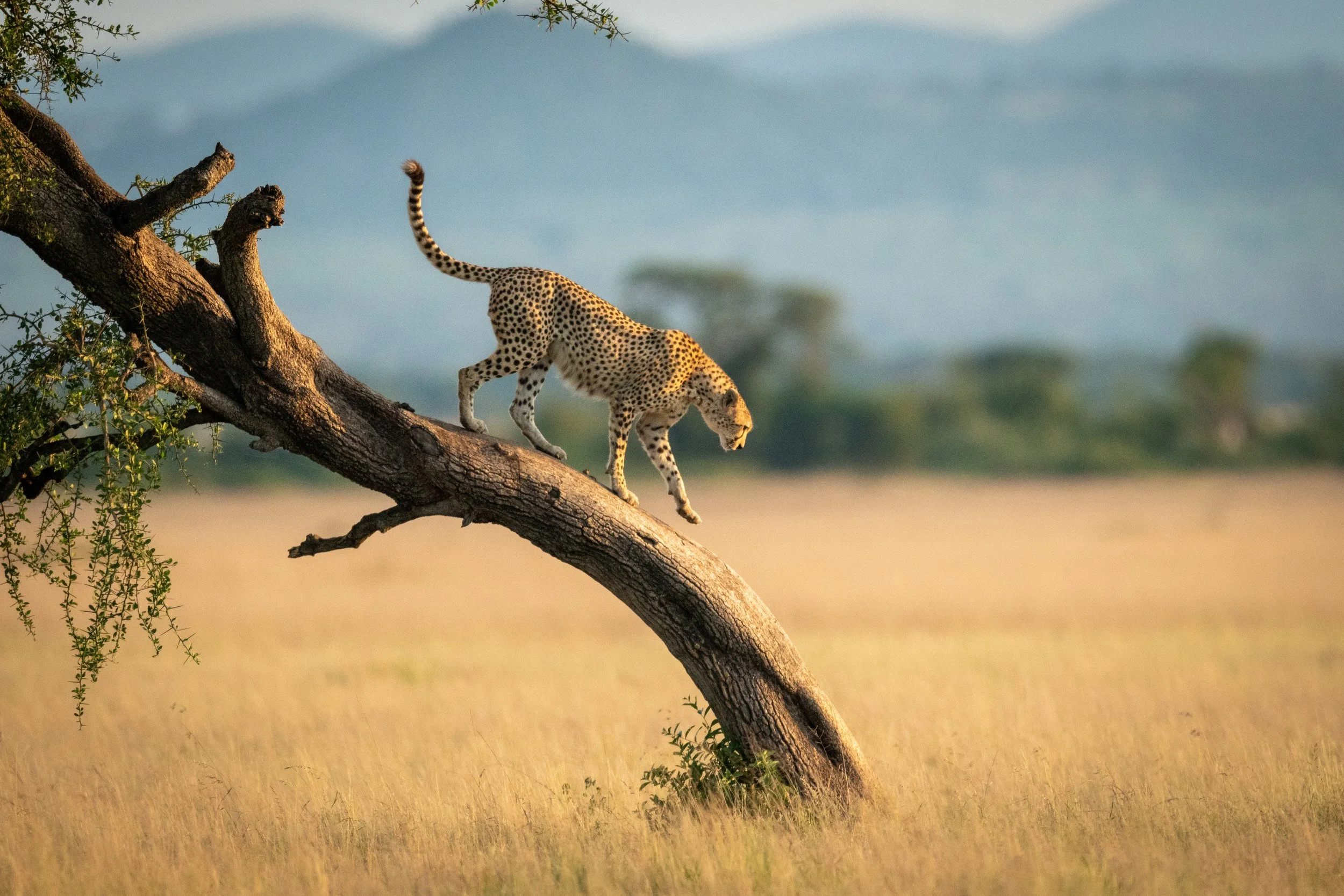
![A cheetah walking along a tree branch in a savannah landscape.]()
Wildlife like nowhere else
Home to 22 national parks, the world-famous Serengeti National Park, the Ngorongoro Crater, and the annual Great Wildebeest Migration, Tanzania is one of the world's greatest wildlife destinations.
-
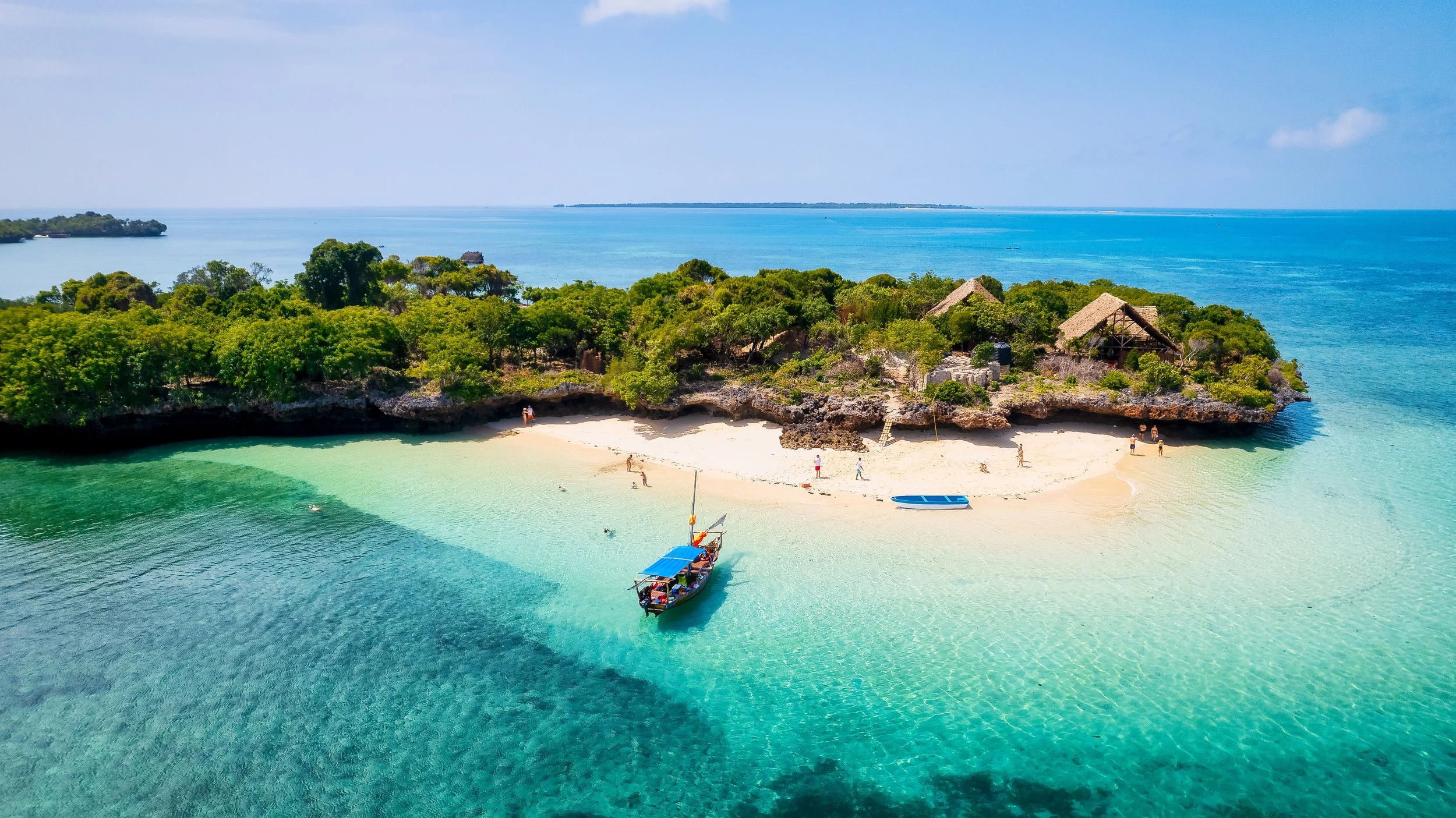
![A tropical island with white sandy beach, surrounded by turquoise water, lush green trees, and thatched-roof huts, with a boat and people enjoying the beach and water.]()
Extraordinary landscapes
From Africa's highest peak, Mount Kilimanjaro (5,895 metres), to volcanic craters, the Great Rift Valley, freshwater lakes, vast savannahs, lush forests, and the white-sand beaches of Zanzibar, every region offers something different.
-
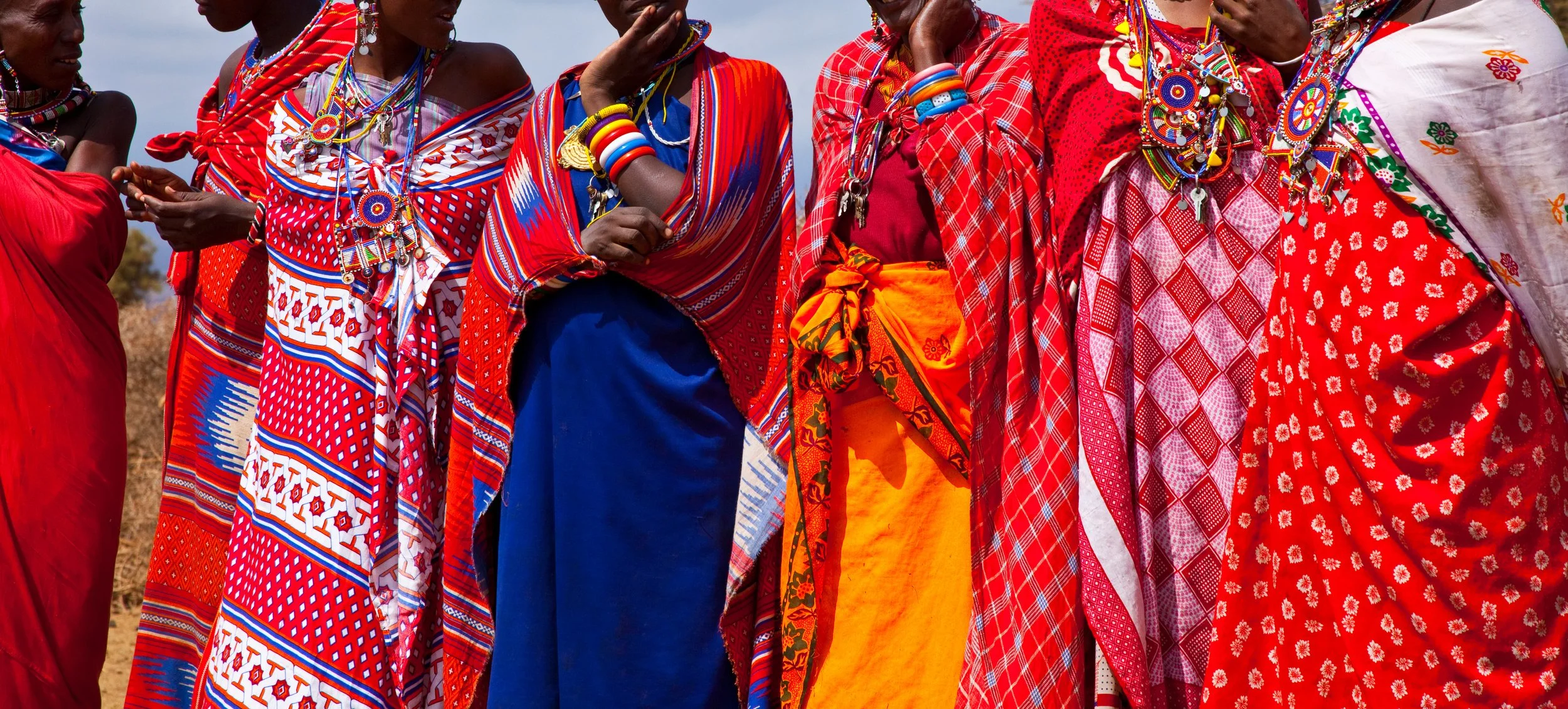
![Group of African women dressed in colorful traditional clothing and jewelry, standing outdoors.]()
A tapestry of cultures
More than 120 ethnic groups call Tanzania home, each contributing unique traditions, languages, music, art, and customs to one of Africa's richest cultural landscapes.
-
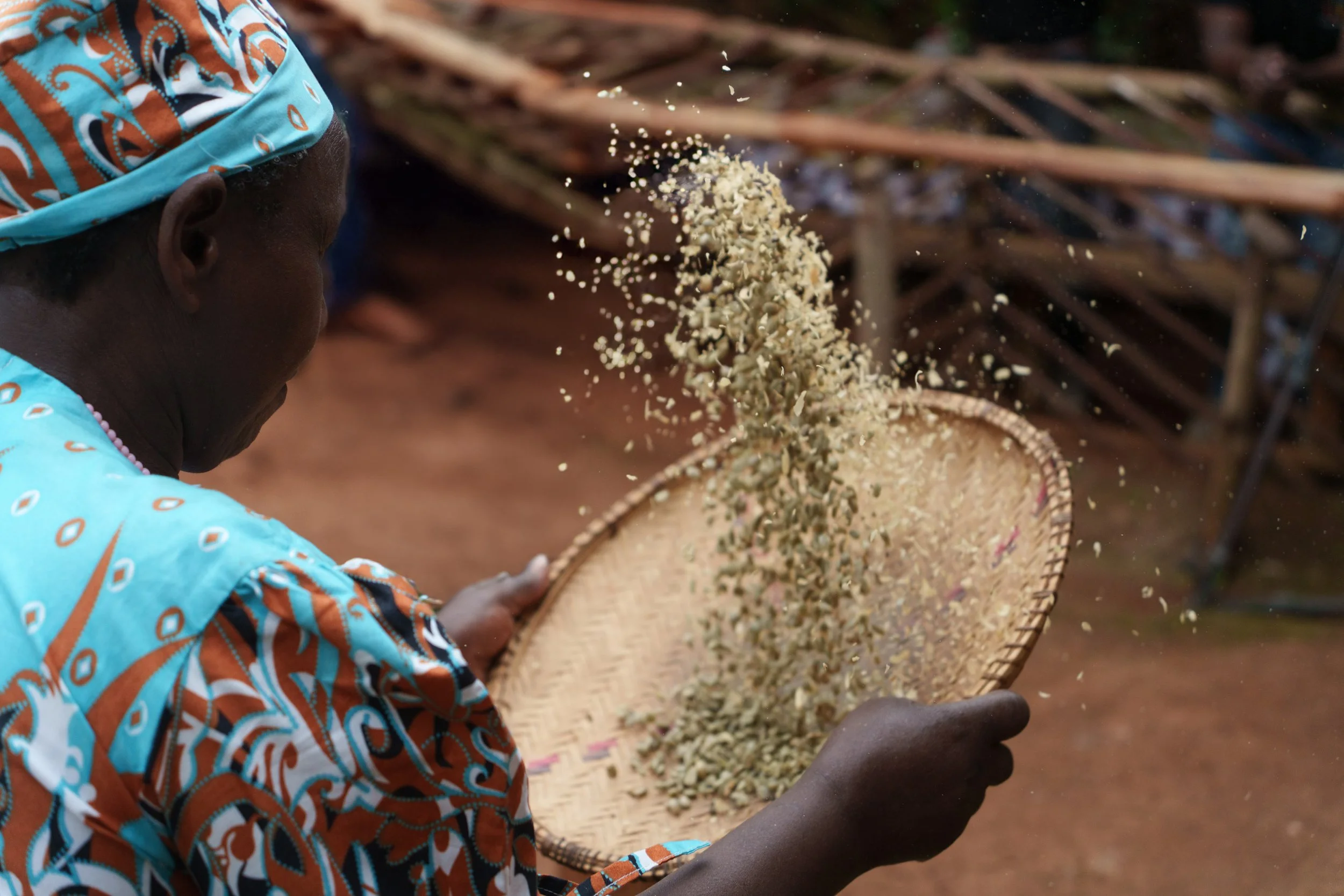
![A person wearing vibrant, patterned clothing and a headscarf is throwing crushed plant material into the air, with a large woven basket in front of them, outdoors with a background of foliage.]()
Flavours of East Africa
Discover Tanzania through its food; from chipsi mayai, ugali, nyama choma, and pilau to tropical fruits, fresh seafood, and the world-famous spices of Zanzibar.
-
![Close-up of four hands, three dark-skinned and one light-skinned, scooping black beans from a clay or stone container on a dirt ground. The scene suggests traditional food gathering or preparation.]()
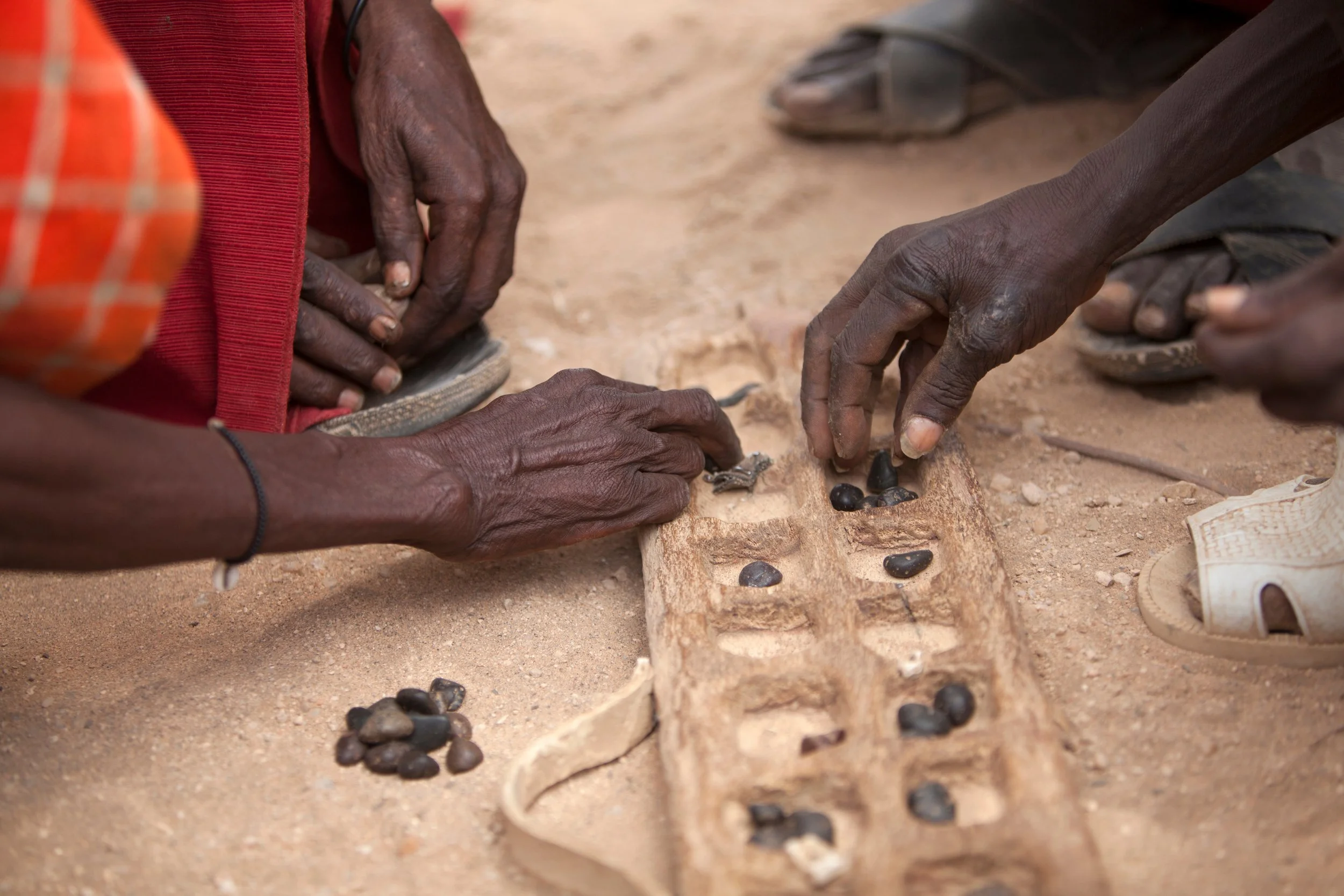
Living traditions
Experience Maasai culture, Swahili music, taarab performances, colourful markets, local festivals, traditional crafts, and customs that have been passed down through generations.
-
![A young boy with a smile, sitting at a table with coloring pages, colored pencils, and crayons, engaged in an activity in a classroom or similar setting.]()
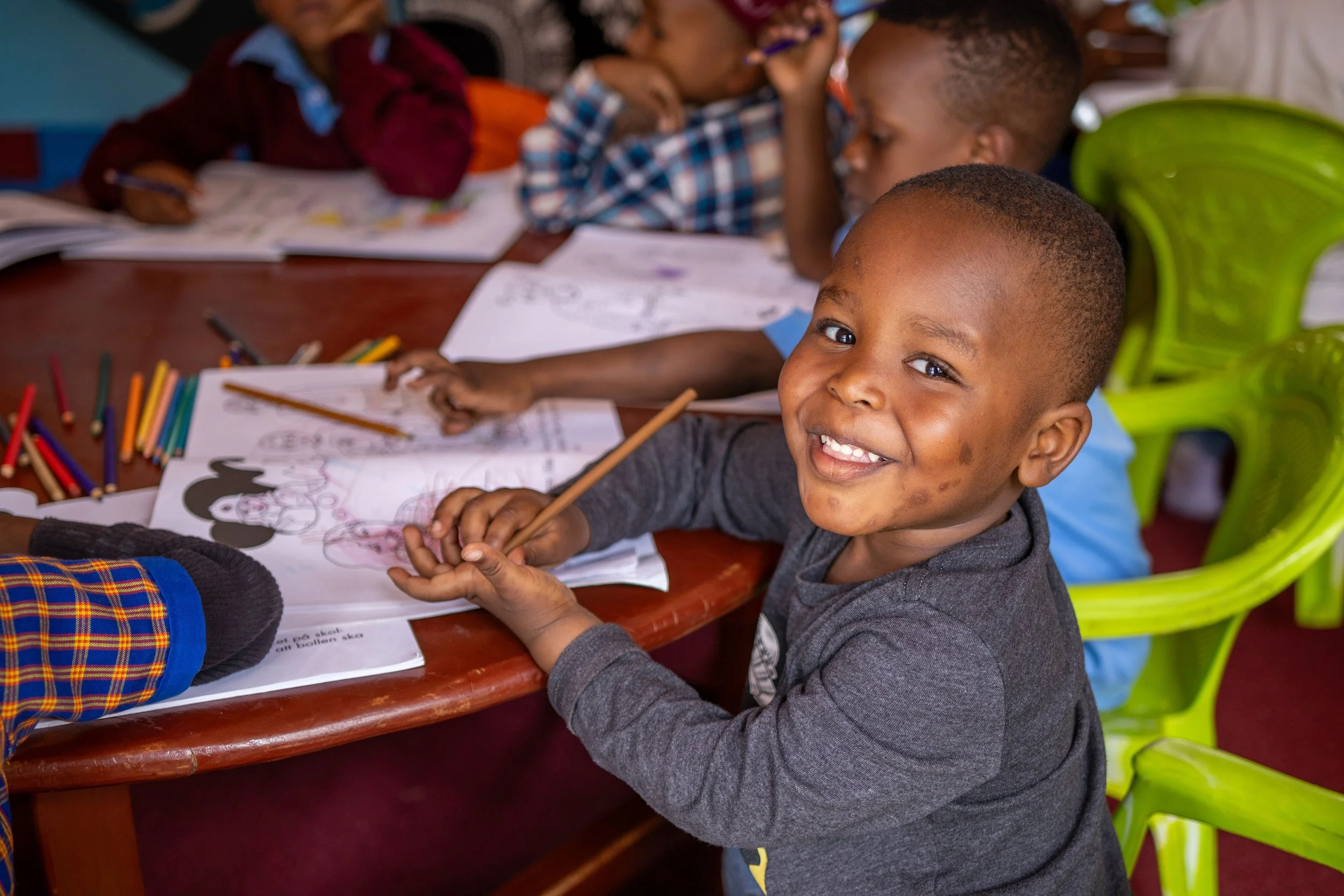
The people make the place
You'll soon understand why karibu ("welcome") is one of the first Swahili words visitors learn. Whether you're greeted as rafiki (friend), kaka (brother), or dada (sister), it's often the people, not just the places, that leave the greatest impression.